Car insurance is an important financial protection for vehicle owners in India. Third-party car insurance is mandatory for vehicles plying on public roads, while comprehensive or package insurance provides broader protection by combining third-party liability with cover for damage to the insured vehicle. IRDAI also recognises standalone own-damage insurance as an option alongside mandatory third-party cover.
The main difference is simple:
Third-party insurance protects you against specified legal liabilities to other people and their property.
Comprehensive insurance can cover third-party liability as well as damage to your own car, subject to the policy terms.
Understanding this difference is important before buying or renewing a car insurance policy.
What Is Third-Party Car Insurance?
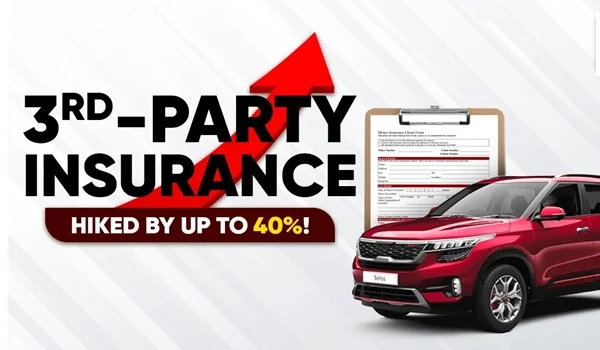
Third-party car insurance, also called Liability Only or Act Only insurance, covers the policyholder’s legal liability arising from an accident involving the insured vehicle.
It can cover liability for:
- Death of a third party
- Bodily injury to a third party
- Damage to third-party property, subject to the applicable coverage limits and policy terms
Third-party liability insurance is mandatory for vehicles plying on public roads in India.
Example
Suppose you accidentally hit another person’s car.
The other vehicle suffers covered property damage and the accident creates a liability for you.
A third-party policy is designed to address the applicable liability to the third party, subject to the policy and legal framework.
However, the damage to your own car is not covered simply because you have third-party insurance.
What Is Comprehensive Car Insurance?
A comprehensive car insurance policy, commonly referred to as a package policy, combines:
- Third-party liability cover, and
- Own-damage cover for the insured vehicle
IRDAI describes comprehensive/package insurance as covering both liability and own damage to the insured vehicle.
Own-damage coverage can protect against covered losses such as damage caused by:
- Accidents
- Fire
- Theft
- Natural events
- Other specified risks
The exact coverage depends on the policy wording.
For example, if your car is damaged in an accident caused by your own driving mistake, comprehensive/package insurance may cover the eligible repair cost after applying the policy’s deductibles, exclusions and other conditions.
Third-Party vs Comprehensive Car Insurance: Key Differences
| Feature | Third-Party Insurance | Comprehensive Insurance |
| Third-party liability | Yes | Yes |
| Damage to your own car | No | Generally covered, subject to terms |
| Accidental damage to own car | No | Yes, subject to policy |
| Theft of own car | No | Generally covered |
| Fire damage to own car | No | Generally covered |
| Natural-event damage | No | Generally covered, subject to terms |
| Mandatory for public-road use | Yes | The third-party component is mandatory |
| Premium | Generally lower | Generally higher because of wider coverage |
| Own-damage IDV | Not applicable as own-damage cover | Important |
| Add-ons | Generally limited to applicable liability policy options | Multiple own-damage add-ons may be available |
| NCB | Not earned on third-party premium | NCB applies to eligible own-damage premium |
The exact coverage always depends on the policy document.
What Does Third-Party Insurance Cover?
- Third-Party Injury or Death
If your vehicle causes an accident resulting in injury or death to another person, the applicable third-party liability cover can respond according to the law and policy.
IRDAI states that third-party liability insurance covers liability for injuries and damages to others for which the insured is responsible.
- Third-Party Property Damage
Third-party insurance can also cover damage caused to another person’s property, subject to the applicable limits.
IRDAI’s motor-insurance FAQ currently states a third-party property-damage limit of ₹7.5 lakh, while also noting an option to restrict this cover to ₹6,000 in a liability-only policy for a corresponding premium reduction.
- Legal Liability
Third-party insurance is primarily liability protection. It is not designed to pay for repairs to your own car after an accident.
What Does Comprehensive Insurance Cover?
A comprehensive/package policy combines third-party liability with own-damage protection.
Depending on the policy, own-damage cover may respond to:
Accidental Damage
If your car is damaged in a covered road accident, the policy can pay eligible repair costs after applicable deductions.
Theft
If the insured vehicle is stolen and the claim meets the policy requirements, the insurer may pay the applicable amount based on the policy’s terms and IDV.
Fire
Damage caused by covered fire-related events can be covered.
Natural Events
Depending on the policy, events such as floods, storms, earthquakes and similar natural perils may be covered.
Man-Made Events
Certain man-made risks can also be covered, subject to policy conditions and exclusions.
The exact list should be checked in the policy wording rather than assumed from the word “comprehensive.”
What Is Not Covered Under Third-Party Insurance?
Third-party insurance does not normally cover damage to your own vehicle.
For example:
You accidentally hit a divider.
Your car’s repair bill is ₹80,000.
If you only have third-party liability insurance, the damage to your own car is generally not covered under that policy.
You would have to bear the applicable repair cost yourself.
What Is Not Covered Under Comprehensive Insurance?
“Comprehensive” does not mean that every possible loss is covered.
Common exclusions or limitations can include:
- Normal wear and tear
- Mechanical or electrical breakdown not arising from an insured event
- Driving without a valid licence
- Use outside permitted conditions
- Certain consequential losses
- Deliberate damage
- Certain excluded risks
- Depreciation and other deductions where applicable
- Contractual liabilities not covered by the policy
The actual exclusions differ between policies.
Always read the policy wording and schedule.
Third-Party vs Comprehensive: Premium Difference
Third-party premiums are regulated under the applicable regulatory framework, while own-damage premiums are determined by insurers based on filed rates and various risk factors.
IRDAI notes that third-party liability premium rates are laid down by the regulator, while own-damage premiums can vary between insurers.
Own-damage pricing can consider factors such as:
- Vehicle age
- Vehicle model
- IDV
- Previous claims
- Discounts
- Loading
- Other underwriting factors
This means two insurers can quote different premiums for broadly similar own-damage coverage.
What Is IDV in Car Insurance?
IDV stands for Insured Declared Value.
It is the insured value of the vehicle used for own-damage insurance purposes.
IRDAI states that the sum insured for the vehicle under own-damage cover is called the Insured Declared Value and should reflect the vehicle’s current market value.
IDV becomes particularly important for:
- Theft claims
- Total loss claims
- Constructive total loss claims
Example
Suppose:
Car’s applicable IDV = ₹7 lakh
If the vehicle is stolen and the claim is admissible, the applicable settlement would be determined according to the policy terms and IDV.
Choosing a lower IDV may reduce the premium but can affect the amount available in an eligible total-loss or theft claim.
What Is No Claim Bonus?
No Claim Bonus (NCB) is a benefit linked to claim-free policy periods.
IRDAI states that NCB applies to the own-damage premium rather than the third-party premium. Its motor-insurance FAQ describes NCB as increasing progressively, subject to applicable rules, up to 50%.
For example, if you do not make an eligible own-damage claim during the policy period, you may earn an NCB at renewal according to the applicable policy terms.
A third-party-only policy does not provide an own-damage premium on which such NCB is earned.
Third-Party vs Comprehensive: Accident Example
Suppose you accidentally hit another vehicle.
The accident causes:
- Damage to the other car = ₹1.5 lakh
- Damage to your car = ₹2 lakh
With Third-Party Insurance
Your applicable third-party liability is covered according to the policy and legal framework.
Your own ₹2 lakh repair bill is not covered under third-party liability insurance.
With Comprehensive Insurance
The policy can potentially address:
- Applicable third-party liability, and
- Eligible damage to your own vehicle
The own-damage claim will still be subject to deductibles, exclusions, IDV and other policy conditions.
Third-Party vs Comprehensive: Theft Example
Suppose your car is stolen.
Third-Party Policy
A third-party policy does not provide own-vehicle theft cover.
You generally cannot claim the value of your stolen car under third-party liability insurance.
Comprehensive Policy
A comprehensive/package policy can include own-damage protection against theft, subject to the policy terms.
For an admissible total-loss/theft claim, the settlement is governed by the applicable policy conditions and IDV.
Third-Party vs Comprehensive for Older Cars
The choice can depend on:
- Current market value
- Age of the vehicle
- Repair costs
- Frequency of use
- Financial ability to replace the vehicle
- Existing coverage
- Premium
- IDV
An older car may have a lower IDV, but that does not automatically mean own-damage cover is unnecessary.
The decision should consider the financial loss you would face if the car were damaged or stolen.
What Is Standalone Own-Damage Insurance?
A car owner can also have standalone own-damage insurance.
This is different from both:
- Liability-only insurance, and
- A comprehensive/package policy
A standalone own-damage policy covers the insured vehicle’s own damage according to its terms, while the mandatory third-party liability cover must be maintained separately.
IRDAI specifically notes standalone own-damage insurance as an option alongside liability-only insurance.
This can be relevant when a vehicle owner already has a separate third-party policy but wants protection for damage to the vehicle.
What Are Add-On Covers?
Add-ons are optional covers that can extend or modify protection beyond the standard policy.
Depending on the insurer and product, examples can include:
- Zero depreciation cover
- Engine protection
- Roadside assistance
- Return to invoice
- Key replacement
- Consumables cover
- Tyre protection
Not every add-on is available with every vehicle or policy.
Zero Depreciation Cover
A zero-depreciation add-on can reduce the impact of depreciation deductions on certain replaced parts during an eligible claim, subject to the add-on’s conditions.
It does not mean every part of every claim is paid without deductions.
Roadside Assistance
This may provide services such as towing or assistance after certain breakdowns or emergencies.
Return to Invoice
This type of add-on can provide enhanced protection in specified total-loss or theft situations, subject to the product’s conditions.
The exact benefit varies between insurers.
Third-Party vs Comprehensive: Advantages
Third-Party Insurance Advantages
- Legally required for vehicles used on public roads
- Usually lower premium than policies that include own-damage cover
- Provides protection against covered third-party liabilities
- Meets the mandatory insurance requirement
Comprehensive Insurance Advantages
- Includes third-party liability
- Provides own-damage protection
- Can cover theft
- Can cover specified natural and man-made risks
- Allows access to various optional add-ons, depending on the product
- Can provide broader financial protection for the vehicle itself
Limitations of Third-Party Insurance
The main limitation is that it does not protect the owner against damage to their own car.
If your car is:
- Damaged in an accident
- Stolen
- Damaged by fire
- Damaged by certain natural events
you cannot generally claim those own-vehicle losses under a third-party-only policy.
Limitations of Comprehensive Insurance
Comprehensive insurance costs more because it provides broader protection.
It also does not eliminate all out-of-pocket expenses.
A claim may involve:
- Compulsory deductible
- Voluntary deductible
- Depreciation deductions
- Excluded items
- Policy limits
- Other applicable conditions
IRDAI specifically advises consumers to compare not only premium but also deductibles, coverage and IDV, because a lower premium can sometimes accompany different coverage terms or a lower IDV.
Documents Usually Required for Car Insurance Claims
Depending on the claim, insurers may ask for:
- Policy details
- Registration Certificate
- Driving licence
- Claim form
- Repair estimate
- Repair bills
- FIR or police documents, where required
- Theft-related documents
- Photos or other evidence of damage
- Bank details
- Other documents requested during claim assessment
The exact requirements depend on the nature of the claim.
Car Insurance Claim Process
A typical own-damage claim process can involve:
- Inform the Insurer
Notify the insurer as soon as possible after the accident or loss.
- Register the Claim
Provide the policy and incident details.
- Survey or Assessment
The insurer may arrange an assessment of the vehicle damage.
- Submit Documents
Provide the required documents and repair information.
- Repair or Settlement
Depending on the policy and garage arrangement, the vehicle may be repaired under a cashless process or through reimbursement.
- Pay Applicable Deductibles
Any applicable deductible or non-covered amount is paid by the policyholder.
The exact process varies between insurers and claims.
New Car Insurance: Important Point
For a new private car, IRDAI states that an annual package or annual liability-only policy is not available in the same manner as for existing vehicles. New private cars can have a bundled policy, with third-party cover for three years and own-damage cover for one year, or a long-term liability-only arrangement, according to the applicable framework.
This is different from the renewal structure for an older vehicle.
Therefore, new-car buyers should check the policy period separately for:
- Third-party liability
- Own damage
What Happens If Car Insurance Expires?
Car insurance should be renewed before expiry.
IRDAI states that there is no grace period for paying the motor-insurance premium after expiry; if a policy lapses, vehicle inspection may be required before insurance can be renewed.
A break in coverage can therefore create practical problems.
Before renewal, check:
- Expiry date
- NCB
- IDV
- Add-ons
- Deductibles
- Insurer’s network
- Existing claims
- Coverage requirements
How to Choose Between Third-Party and Comprehensive Insurance
Start with the mandatory requirement: your car needs valid third-party liability insurance to be legally used on public roads.
Then consider whether you also need protection for your own vehicle.
Ask:
- What is my car’s current market value?
- Could I comfortably pay for major repairs myself?
- What would happen financially if the car were stolen?
- Do I regularly drive in areas with higher accident or weather-related risks?
- What is the premium difference?
- What IDV is being offered?
- What deductibles apply?
- Which add-ons are actually useful?
- What is my previous claim history?
- What coverage does my existing policy already provide?
IRDAI recommends comparing multiple quotes and specifically checking premium, deductibles, coverage and IDV.
Common Mistakes to Avoid
- Buying Only on the Basis of Premium
The cheapest quote may not provide the same IDV, deductibles or coverage.
- Assuming Comprehensive Means Everything Is Covered
Exclusions and conditions still apply.
- Ignoring IDV
IDV is important for own-damage coverage, particularly in theft and total-loss situations.
- Choosing Too Many Add-Ons
An add-on should be evaluated based on the actual protection it provides and its cost.
- Forgetting NCB
Check whether you are eligible for NCB and ensure the correct NCB is reflected during renewal.
- Allowing the Policy to Expire
A lapse can result in inspection requirements and a break in coverage.
- Not Checking the Deductible
A low premium with a higher deductible can change the amount you pay during a claim.
Third-Party vs Comprehensive Car Insurance: Quick Comparison
| Factor | Third-Party | Comprehensive |
| Mandatory liability protection | Yes | Yes |
| Own-car damage | No | Yes, subject to terms |
| Theft protection for own car | No | Generally yes |
| Fire protection for own car | No | Generally yes |
| Natural-event damage | No | Generally yes |
| Premium | Lower in general | Higher in general |
| IDV | Not applicable to own damage | Important |
| NCB on own-damage premium | No | Applicable according to policy |
| Add-ons | Limited/product-specific | Wider range may be available |
| Best suited to | Meeting mandatory liability requirement | Broader vehicle and liability protection |
Frequently Asked Questions
Is third-party car insurance mandatory in India?
Yes. Third-party liability insurance is mandatory for vehicles plying on public roads in India.
What is the difference between third-party and comprehensive car insurance?
Third-party insurance primarily covers your legal liability toward third parties. Comprehensive/package insurance combines third-party liability with own-damage protection for the insured vehicle, subject to policy terms.
Does third-party insurance cover damage to my car?
No. Third-party liability insurance does not provide own-damage protection for your vehicle.
Does comprehensive insurance cover third-party damage?
Yes. A comprehensive/package policy includes third-party liability cover along with own-damage protection, subject to its terms.
Does comprehensive car insurance cover theft?
Own-vehicle theft is generally covered under comprehensive/package insurance, subject to the policy conditions and claim requirements.
Is comprehensive insurance more expensive?
Generally, yes, because it includes own-damage protection in addition to third-party liability. Own-damage premiums vary between insurers and depend on several factors.
What is IDV in car insurance?
IDV, or Insured Declared Value, is the insured value of the vehicle for own-damage purposes. IRDAI says it should reflect the vehicle’s current market value.
What is NCB in car insurance?
No Claim Bonus is a benefit for claim-free periods and applies to the own-damage premium rather than the third-party liability premium.
Can I have third-party and own-damage policies separately?
Yes. IRDAI recognises standalone own-damage insurance as an option alongside liability-only cover.
Can I change from third-party to comprehensive insurance?
Depending on the insurer and policy circumstances, you may be able to purchase own-damage cover or a package policy. If there is a break in insurance, vehicle inspection may be required.
Does comprehensive insurance cover every repair?
No. Claims remain subject to the policy’s coverage, exclusions, deductibles, depreciation and other conditions.
What is the difference between comprehensive and own-damage insurance?
A comprehensive/package policy combines third-party liability and own-damage protection. A standalone own-damage policy primarily covers damage to your own vehicle, while third-party liability must be maintained separately.
Car Insurance Renewal Checklist
Before renewing your car insurance, check:
- Policy expiry date
- Third-party liability cover
- Own-damage cover
- IDV
- NCB
- Compulsory deductible
- Voluntary deductible
- Existing add-ons
- Required add-ons
- Previous claims
- Cashless garage availability
- Policy exclusions
- Vehicle details
- Nominee/owner details where applicable
- Premium and applicable taxes
Conclusion
Third-party and comprehensive car insurance serve different purposes. Third-party liability insurance is the mandatory protection for vehicles used on public roads and focuses on covered liabilities toward other people and their property. Comprehensive/package insurance goes further by combining third-party liability with own-damage protection for the insured vehicle.
The practical difference becomes clear during an accident. If you have only third-party insurance, damage to your own car is generally your responsibility. With comprehensive insurance, eligible own-vehicle damage can also be covered, subject to deductibles, exclusions, IDV and other policy conditions.
When comparing policies, do not look at premium alone. Check IDV, deductibles, own-damage coverage, exclusions, NCB and add-ons. IRDAI specifically recommends comparing these factors because a lower premium can come with different coverage or a lower IDV.
The right policy structure depends on the vehicle, its value, your financial exposure and the level of own-damage protection you want. Most importantly, make sure the policy you purchase matches the risks you actually need to cover.